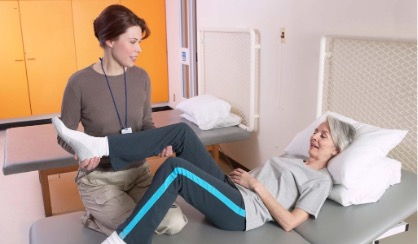
What Should You Wear to a Physical Therapy Appointment

Preparing for your first physical therapy appointment can be a bit overwhelming, especially when you’re not sure what to expect. One common question that arises is, “What should I wear?” Your choice of attire can significantly impact the effectiveness of your session and your overall comfort. Here’s a guide to help you dress appropriately for your physical therapy appointment.

First and foremost, opt for comfortable, loose-fitting clothing that allows for easy movement. Your physical therapist will likely ask you to perform various exercises and stretches, so you’ll want to wear clothes that don’t restrict your range of motion. Athletic wear such as t-shirts, tank tops, shorts, or yoga pants are excellent choices. Avoid jeans, dress clothes, or anything too tight or constricting.

Depending on the area of your body being treated, you may need to expose certain parts for examination or treatment. For example, if you’re receiving therapy for a shoulder injury, a tank top or loose-fitting shirt that can be easily moved or removed might be ideal. For lower body issues, shorts or loose pants that can be rolled up are preferable. It’s always a good idea to layer your clothing, so you can adjust as needed during your session.

Footwear is another important consideration. In most cases, comfortable, supportive athletic shoes are the best choice. These provide stability for exercises and protect your feet during treatment. However, if your therapy focuses on foot or ankle issues, you might be asked to remove your shoes. In this case, wear socks for hygiene purposes and bring any orthotics or inserts you typically use.

Lastly, remember to keep jewelry and accessories to a minimum. Necklaces, dangling earrings, or loose bracelets can get in the way during treatment. If you have long hair, consider bringing a hair tie to keep it out of your face during exercises. By following these guidelines, you’ll be comfortably and appropriately dressed for a productive physical therapy session.

Is Physical Therapy Covered by Insurance?

Physical therapy can be a crucial component of recovery and rehabilitation for many individuals. However, one common concern for patients is whether their insurance will cover the cost of these treatments. Let’s explore the landscape of physical therapy coverage in the insurance world.

Most health insurance plans do offer coverage for physical therapy, but the extent of coverage can vary significantly. Many insurance providers consider physical therapy to be a form of specialized treatment and may require a doctor’s referral before approving coverage. This means that your primary care physician or a specialist might need to prescribe physical therapy as part of your treatment plan for it to be eligible for coverage.

The specifics of coverage can differ based on your insurance plan. Some plans may cover a certain number of physical therapy sessions per year, while others might have a monetary cap on coverage. It’s also common for insurance providers to require patients to pay a copay for each visit. Additionally, some plans may limit coverage to in-network providers, meaning you’ll need to choose a physical therapist who is part of your insurance company’s approved network to receive full benefits.

It’s important to note that even if your insurance covers physical therapy, you may still have out-of-pocket expenses. These can include deductibles, which you must pay before your insurance coverage kicks in, and coinsurance, where you’re responsible for a percentage of the cost of each session. To avoid surprises, it’s always a good idea to check with your insurance provider about the details of your coverage before starting physical therapy treatment.

For those without insurance or with limited coverage, there are still options available. Some physical therapy clinics offer sliding scale fees based on income, and others may provide payment plans to make treatment more affordable. Additionally, some community health centers and non-profit organizations offer low-cost or free physical therapy services to those in need. Remember, investing in your health through physical therapy can lead to better outcomes and potentially lower healthcare costs in the long run.

What Is the Fastest Way to Relieve Hip Pain?

Hip pain can be a debilitating condition that affects people of all ages. Whether it’s caused by arthritis, injury, or overuse, finding quick relief is often a top priority. In this post, we’ll explore some of the fastest and most effective ways to alleviate hip pain, allowing you to get back to your daily activities with greater comfort.

One of the quickest ways to relieve hip pain is through the application of ice or heat. For acute injuries or inflammation, applying ice for 15-20 minutes every few hours can help reduce swelling and numb the pain. On the other hand, for chronic pain or stiffness, heat therapy can be more beneficial. A warm bath, heating pad, or warm compress can help relax muscles and increase blood flow to the affected area, providing quick relief.

Over-the-counter pain medications can also offer rapid relief from hip pain. Non-steroidal anti-inflammatory drugs (NSAIDs) like ibuprofen or naproxen can help reduce both pain and inflammation. Acetaminophen is another option that can effectively alleviate pain without addressing inflammation. Always follow the recommended dosage and consult with a healthcare professional if you have any concerns or pre-existing conditions.

Gentle stretching and exercise can provide surprisingly fast relief for many types of hip pain. Simple stretches that target the hip flexors, piriformis, and gluteal muscles can help alleviate tension and improve mobility. Low-impact exercises like swimming or cycling can also help by strengthening the muscles around the hip joint and improving flexibility. However, it’s crucial to start slowly and avoid any movements that cause increased pain.

While these methods can offer quick relief, it’s important to address the underlying cause of your hip pain for long-term management. If your pain persists or worsens, consult with a healthcare professional. They may recommend additional treatments such as physical therapy, prescription medications, or in some cases, surgical interventions. Remember, the fastest way to relieve hip pain may vary from person to person, so don’t hesitate to try different approaches to find what works best for you.

Dr. Diamond Cares for Patients at the Chicago Marathon

In the bustling heart of Chicago, where the city’s pulse beats strongest during its annual marathon, one podiatrist is making strides in more ways than one. Dr. Matthew Diamond of Genesis Orthopedics & Sports Medicine isn’t just treating feet – he’s running towards a future of equitable healthcare.

This past weekend, as thousands of runners pounded the pavement in the Windy City, Dr. Diamond was there, not as a participant, but as a vital support system. Volunteering his time and expertise, he tended to a myriad of foot and ankle issues that plague long-distance runners: ankle sprains, Achilles tendonitis, stress fractures, and the ever-dreaded plantar fasciitis.

But Dr. Diamond’s commitment to foot health extends far beyond the finish line of this prestigious event. As a key member of Genesis Orthopedics & Sports Medicine, he’s part of a larger mission to address health disparities in Chicago. With 14 offices spread across the city, Genesis has made it their goal to focus on Medicaid patients, bringing top-tier orthopedic care to communities that have historically been underserved.

“Every step counts,” Dr. Diamond often says, and he means it both literally and figuratively. In his practice, he sees firsthand how proper foot care can be a stepping stone to overall health and wellbeing. For Medicaid patients, who may face numerous barriers to accessing specialized care, having a dedicated podiatrist can make all the difference.

The Chicago Marathon provided Dr. Diamond with a unique opportunity to combine his passion for sports medicine with his commitment to community health. “Marathon runners and our everyday patients aren’t as different as you might think,” he explains. “They’re all pushing their bodies to the limit, whether it’s running 26.2 miles or simply trying to make it through a long day at work. Our job is to keep them on their feet, pain-free, and moving forward.”

Dr. Diamond’s approach embodies the ethos of Genesis Orthopedics & Sports Medicine. By bringing the same level of care he provides to elite athletes to Medicaid patients, he’s helping to level the playing field in healthcare. It’s a marathon, not a sprint, towards health equity – and with dedicated professionals like Dr. Diamond leading the charge, Chicago is well on its way to crossing that finish line.

As the city recovers from the excitement of the marathon, Dr. Diamond is already back at work in one of Genesis’s 14 offices, treating patients with the same enthusiasm and expertise he brought to the race. Because for him, every patient deserves to put their best foot forward.

Understanding the Difference: Medicare vs. Medicaid

Medicare and Medicaid are both government-sponsored health insurance programs in the United States, but they serve different populations and have distinct eligibility requirements. This blog post will explore the key differences between these two crucial healthcare programs.

Medicare is a federal health insurance program primarily designed for people aged 65 and older, regardless of their income level. It also covers younger individuals with certain disabilities and those with End-Stage Renal Disease. Funded through payroll taxes, Medicare is divided into different parts: Part A (hospital insurance), Part B (medical insurance), Part C (Medicare Advantage plans), and Part D (prescription drug coverage).

On the other hand, Medicaid is a joint federal and state program that provides health coverage to eligible low-income individuals. Unlike Medicare, Medicaid eligibility is based on income and resource limits, which can vary by state. Medicaid serves a diverse population, including children, pregnant women, elderly individuals, and people with disabilities who meet specific financial criteria.

One of the main differences between the two programs lies in their funding and administration. Medicare is entirely funded and run by the federal government, ensuring consistent coverage across all states. Medicaid, however, is jointly funded by federal and state governments, with each state having the flexibility to design its own Medicaid program within federal guidelines. This results in variations in coverage and eligibility requirements from state to state.

In conclusion, while both Medicare and Medicaid aim to provide health insurance to vulnerable populations, they differ in their target demographics, eligibility criteria, and administration. Medicare primarily serves older adults and some disabled individuals, regardless of income, while Medicaid focuses on providing coverage to low-income individuals across various age groups. Understanding these differences is crucial for individuals seeking to navigate the complex landscape of healthcare coverage in the United States.

How Much Does Physical Therapy Cost?

Physical therapy can be a crucial part of recovery and pain management for many individuals. However, one common concern for patients is the cost associated with these treatments. Understanding the potential expenses can help you better prepare for your physical therapy journey.

The cost of physical therapy can vary widely depending on several factors. These include your location, the type of treatment needed, the duration of your therapy, and whether you have health insurance coverage. On average, a single session of physical therapy can range from $50 to $350. Without insurance, you might expect to pay between $75 and $150 per session. If you require multiple sessions per week over several months, these costs can quickly add up.

Insurance coverage can significantly reduce out-of-pocket expenses for physical therapy. Most health insurance plans cover physical therapy to some extent, but the specifics can vary. You may be responsible for a copay (typically $10 to $75 per session) or coinsurance (usually 10% to 50% of the total cost). It’s crucial to check with your insurance provider to understand your coverage and any limitations, such as a cap on the number of covered sessions.

For those without insurance or with high deductibles, there are ways to manage physical therapy costs. Many clinics offer cash discounts for patients paying out of pocket. Some therapists provide package deals for multiple sessions, which can lower the per-session cost. Additionally, exploring community health centers or physical therapy schools may lead to more affordable options. Some patients also find success with fewer in-person sessions supplemented by a home exercise program designed by their therapist.

Ultimately, while the cost of physical therapy can be significant, it’s essential to consider the long-term benefits. Effective physical therapy can prevent the need for more expensive treatments down the line, such as surgery or long-term medication use. It can also improve your quality of life and ability to work, potentially offsetting the initial investment. When considering physical therapy, discuss your financial concerns with your healthcare provider and explore all available options to find a solution that works for both your health and your wallet.

Регистрация Libertex Portfolio

Регистрация Libertex Portfolio

Лайм ФХ liberty

Для начала его нужно скачать и установить на смартфон или планшет. Если до этого пользователь уже зарегистрировался в системе, он может пройти процедуру авторизации. При выборе реального нужно пополнить его любым удобным способом и переходить уже к работе. Благодаря специально разработанной программе для гаджетов на базе IOS или Android можно всегда при необходимости продолжать биржевую торговлю в нужный момент.

Лайм ФХ liberty

Компании, которые осуществляют зарубежные вложения активов

Поэтому такая разновидность инвестирования является очень привлекательной. Необходимость инвестирования в металлы появляется в моменты нестабильности мировой экономики. Особую ценность для инвесторов составляют золото, палладий, платина. Основную часть страницы занимает ценовой график, limefx брокер отличающийся содержательностью и удобством. В настройках можно выбирать таймфреймы, индикаторы, графические элементы, изменять масштабирование, тип показателей цены.

Обзор рынка Форекс. Доллар США может получить некоторую сезонную поддержку

Трейдеры могут выбирать нужный временной период, индикаторы, инструменты для графического анализа. Доступна функция изменения масштаба, что позволяет увеличивать или уменьшать изображение. Цена форекс брокер limefx может отображаться в разных форматах, начиная от стандартного линейного графика и заканчивая высокоинформативными японскими свечами. Все операции проходят в режиме онлайн, через фирменные торговые платформы. Самые популярные из них среди розничных инвесторов – MetaTrader4 и MetaTrader5.

Так новая цены оказывается в онлайн-платформах частных трейдеров, подключенных к рынку тем самым брокером. Сейчас, к примеру, евро стоит 1,2 доллара, а через час уже 1,19. Стоимость одной валюты, выраженная в другой, называется котировкой. Каждая такая котировка попадает на график в торговой платформе и ставит на нем точку. Эта точка автоматически соединяется с предыдущей отметкой цены актива. Использование мобильных приложений позволяет получать доступ к торговле из любой точки мира, в которой есть доступ к сети Интернет.

Детей-сирот обретают семьи благодаря деятельности фонда «Измени одну жизнь», созданного при поддержке компании. Более 40 международных наград за развитие торговых терминалов и достижения в области финансовой аналитики. Мы открыли более 100 офисов в различных странах мира, включая Украину, Казахстан, Беларусь, Малайзию и другие страны Азии, Евросоюза, Латинской Америки.

  • Можно вкладывать деньги в интернет-компании, такие как Facebook и Google или купить акции сырьевых гигантов, например, «Газпрома», «Роснефти», «Лукойла».
  • Индексы отличаются уровнем волатильности, от которого зависит потенциальная прибыль инвесторов.
  • Тем, кто ищет честный способ заработка и приумножения капитала, однозначно стоит попробовать трейдинг.
  • Стандартными вариантами считаются валютные пары, акции, металлы.
  • “Мы рады представить наш новый продукт для инвестиций с крайне привлекательными торговыми условиям.

Libertex – это международная компания, которая одной из первых на территории РФ предоставила людям возможность торговли на финансовых рынках. За это время появились представительства международной организации более, чем в 100 мировых государствах. Происходит стремительное развитие и совершенствование, улучшение качества сервиса, внедрение современных технологий.

  • Все операции проходят в режиме онлайн, через фирменные торговые платформы.
  • Терминал libertex открывает доступ к максимальному количеству валютных пар, что способствует круглосуточной торговле с максимальной эффективностью.
  • Каждый из них имеет свои особенности движения, позволяющие при их знании неплохо зарабатывать.
  • В прочем, не все так однозначно, внутри недели или дня происходят колебания, работать с которыми помогают визуальные линии, т.
  • Он более 15 лет на рынке, и что важно, всегда по будним дням отвечает на звонки и запросы русскоязычных клиентов.
  • Для этого вам необходима торговая платформа, которую также называют терминалом.

Видеокурсы форекс, торговые сигналы, демо-счет – БЕСПЛАТНО онлайн

Трейдеры, не имевшие ранее счёта у брокера libertex, должны пройти быструю процедуру регистрации, выбрав тип счёта и сразу же пополнив депозит. Раздел FAQ   — прекрасный способ ознакомиться с особенностями рынка и «из первых уст» узнать о торговле валютой, акциями и биржевой торговле. На этом рынке реально начать за доли секунд совершать сделки по купле-продаже иностранной валюты, так как он функционирует круглосуточно 5 дней в неделю, и имеет огромный оборот. Колебания курсов валют в разы ниже в сравнении с фондовым рынком.

The Hidden Costs of Healthcare: Understanding Surprise Billing

This article was written by Vraj Parikh, an undergraduate at The University of North Carolina at Chapel Hill and member of the Healthcare Administration Leadership Program at Genesis.


Imagine you wake up in the middle of the night with severe abdominal pain. After a few hours of trying to ignore it, you decide to call an ambulance to take you to the emergency room. The doctors quickly diagnose you with appendicitis, and you are taken in for surgery. Within hours, you are informed that the operation is a success, and you can go back home within a couple of days.

This seems like a scenario with a happy ending, right? You received prompt medical care, and your health issue was resolved. You might expect this to be a typical hospital experience and a natural right, but the reality is much more unsettling.

Imagine it is a few weeks after you have been discharged from the hospital, and you receive your bill in the mail. To your shock, it’s for an astronomical amount. Despite having health insurance, the bill includes charges for the ambulance ride that took you to the hospital. It turns out that the ambulance service was out-of-network, and your insurance plan did not cover it.

This unexpected expense is known as a surprise bill. A surprise bill occurs when a patient receives a bill for medical services performed by out-of-network providers even though they received care at an in-network facility. Although current protections like the No Surprises Act tackle most of the prevailing forms of surprise billing, ground ambulance services are not covered under current protections.

So, how can someone avoid unexpected debt when they have no choice but to call an ambulance for emergency care? The short answer is they can not. According to Amin et al., the frequency of ground ambulance rides in the United States is exceptionally high, with ambulances transporting about 3 million people with private health insurance to the emergency room yearly. The researchers discovered that about half (51%) of these emergency ground ambulance rides included an out-of-network charge for ambulance-related services, which leaves privately insured patients at significant risk of receiving a surprise bill. In other words, “as many as 1.5 million privately insured patients who are brought to an emergency room by an ambulance may be at risk of getting a surprise medical bill each year” (Amin et al.). To put this into context, this is more people than the entire population of Philadelphia. This staggering number underscores how healthcare is a “business game” and a matter of “luck” rather than a universal right.

The No Surprises Act banned surprise billing by out-of-network providers in emergency rooms but did not consider that “one-in-ten emergency room visits for privately insured patients begin with an ambulance ride” (Amin et al.). The problem can not be fully solved if the foundational issue of transportation is not addressed. Lawmakers argue that the “varied types of ground ambulance services, existing local and state regulations, and a lack of cost data” (Hoadley and Stovicek) make it challenging to include provisions for ground ambulance transportation and emphasize leaving it up to the states. This strategy has failed miserably, as approximately less than “a third of states have protections in place” (Hoadley and Stovicek) to limit ground ambulance surprise billing. Adding to the concern, “in seven states (Washington, California, Florida, Colorado, Texas, Illinois, and Wisconsin), over two-thirds of emergency ambulance rides included an out-of-network charge for ambulance-related services that may pose a surprise bill risk” (Amin et al.). Even in states with local regulations on ground ambulance billing practices, these laws may only protect specific types of ground ambulance rides, which often excludes those covered by self-insured health plans.

Federal action is urgently required to protect our health. Congress must expand the No Surprise Act to emergency ground ambulance services to uphold our country’s commitment to ethical healthcare practice. America should view healthcare as a right where everyone can heal without unnecessary financial plight.


Cites:

Amin, Krutika, et al. “Ground Ambulance Rides and Potential for Surprise Billing.” Peterson-KFF Health System Tracker, 5 Jan. 2022, www.healthsystemtracker.org/brief/ground-ambulance-rides-and-potential-for-surprise-billing/#Among%20people%20with%20large%20employer%20coverage,%20the%20share%20of%20ground%20ambulance%20rides%20with%20an%20out-of-network%20charge,%202018.
Hoadley, Jack, and Nadia Stovicek. “Expanding the No Surprises Act to Protect Consumers from Surprise Ambulance Bills.” Commonwealth Fund, The Commonwealth Fund, 15 Feb. 2024, www.commonwealthfund.org/blog/2024/expanding-no-surprises-act-protect-consumers-surprise-ambulance-bills.

Now Open: Physical Therapy in Oak Brook

Introducing Genesis Orthopedics & Sports Medicine’s fourth and newest physical therapy clinic, conveniently located in the heart of Oak Brook, Illinois. Our state-of-the-art facility is designed to provide exceptional care and personalized treatment plans for patients seeking to recover from injuries, manage chronic conditions, or enhance their overall physical performance. With a team of highly skilled and compassionate physical therapists, we are committed to helping you achieve your goals and improve your quality of life.

At our Oak Brook clinic, we offer a comprehensive range of physical therapy services, including orthopedic rehabilitation, sports injury treatment, post-surgical rehabilitation, and preventive care. Our advanced equipment and innovative treatment methods ensure that you receive the most effective and efficient care possible. Whether you’re an athlete looking to get back in the game, an individual recovering from surgery, or someone seeking relief from chronic pain, our dedicated professionals are here to support you every step of the way on your journey to optimal health and wellness.

Location details below:

2311 W 22nd St.
Suite 103
Oak Brook, IL 60523

Telefon: (877) 377-1188
Faks: (630) 377-7360

Introducing Dr. Zahatnansky

We are thrilled to introduce the newest member of our practice, Dr. Juraj Zahatnansky, a highly skilled and compassionate physician who brings a wealth of expertise in sports medicine. With an impressive educational background that includes a Doctor of Medicine degree from the Third Faculty of Medicine at Charles University in Prague, Czech Republic, and a Bachelor of Science in Biology from Cornerstone University in Grand Rapids, Michigan, Dr. Zahatnansky has demonstrated a strong commitment to the field of medicine and a passion for helping patients achieve optimal health and wellness.

Dr. Zahatnansky’s extensive graduate medical education and training further highlight his dedication to providing exceptional care. He completed his Primary Care Sports Medicine Fellowship and Internal Medicine Residency at the Western Michigan University Homer Stryker M.D. School of Medicine in Kalamazoo, Michigan, where he honed his skills in diagnosing, treating, and preventing a wide range of medical conditions. Additionally, Dr. Zahatnansky has served as a team physician for several local organizations, including West Aurora High School, the Kalamazoo Wings, Western Michigan University, Kalamazoo College, and Kalamazoo Central High School, showcasing his ability to work with diverse populations and provide tailored care to athletes at all levels. We are confident that Dr. Zahatnansky’s extensive knowledge, compassionate bedside manner, and dedication to patient-centered care will make him an invaluable asset to our practice and the community we serve.

pl_PLPolski

Informacje kontaktowe


    takNie


    Genesis Orthopedics & Sports Medicine - Website